How Butterflies Survive Winter
2025-02-01T12:00:00.000Z
Jason Prillo
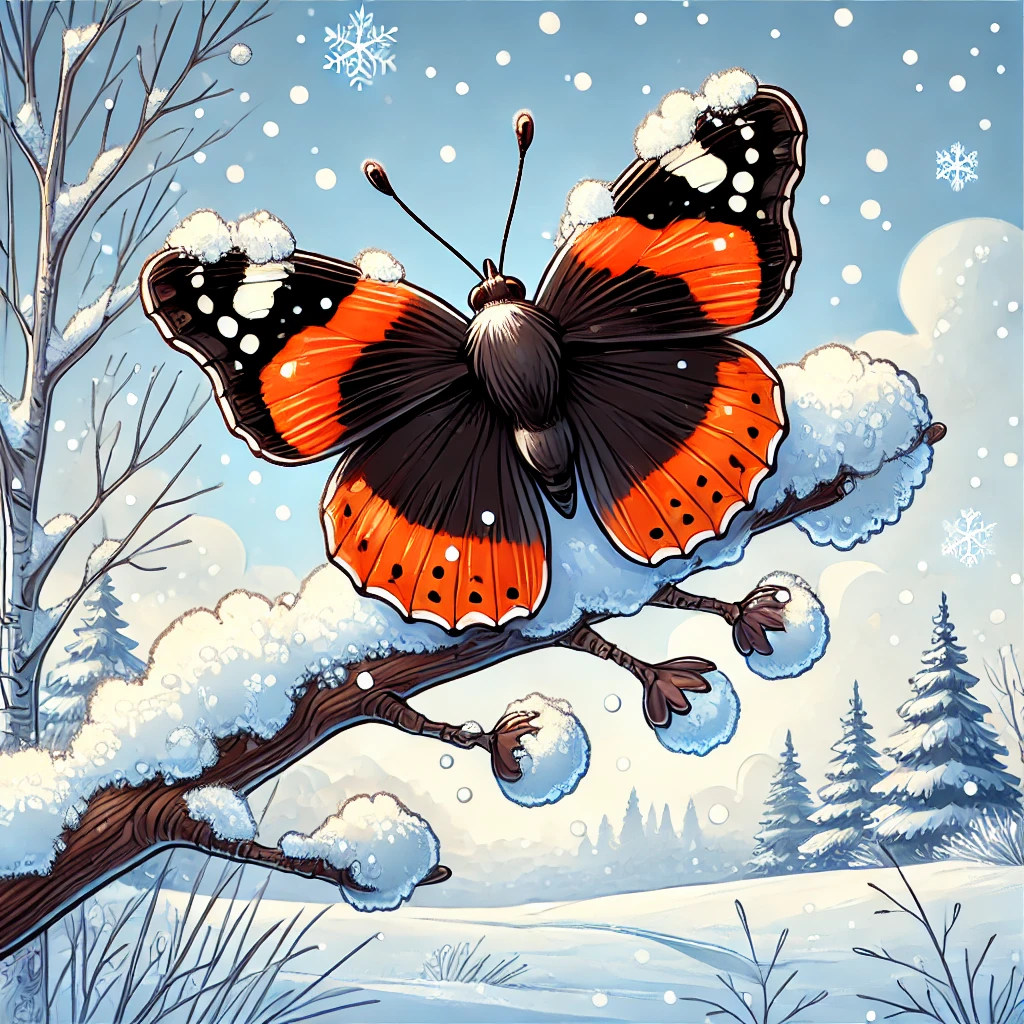
Learn about butterfly overwintering, including why it happens, how long it lasts, and how different species survive the winter months.
Butterflies are some of nature’s most delicate and beautiful creatures, yet they have evolved incredible strategies to survive harsh winter conditions. Overwintering is a survival strategy that allows butterflies to endure winter and emerge in spring to continue their life cycle.
What Is Butterfly Overwintering?
Overwintering is the process by which butterflies survive the winter months when conditions are too cold for normal activity. Instead of trying to fly, feed, and reproduce in the freezing cold, butterflies enter a dormant state to conserve energy until temperatures rise again.
Unlike mammals that hibernate, overwintering butterflies enter a phase called diapause—a suspended developmental state that allows them to survive extreme temperatures and food shortages.
Why Do Butterflies Overwinter?
Butterflies are cold-blooded, meaning their body temperature depends on their surroundings. If temperatures drop too low, they become sluggish and unable to fly. Additionally, winter conditions often mean:
- A lack of nectar-producing flowers (a food source for adult butterflies)
- A scarcity of host plants for caterpillars to feed on
- Harsh environmental conditions such as freezing temperatures, ice, and snow
Because of these challenges, butterflies must either migrate to warmer climates or overwinter in place.
How Long Does Butterfly Overwintering Last?
The duration of overwintering depends on the species and local climate. Generally, butterflies in colder regions may remain in diapause from late fall until early spring (several months), while those in milder climates may only pause their development for a few weeks.
Different Ways Butterflies Overwinter
Butterflies can overwinter at various life stages—egg, caterpillar, chrysalis, or adult—depending on the species.
Overwintering as Eggs
Some butterflies lay their eggs in late summer or fall, and these eggs remain dormant throughout winter. When spring arrives, the eggs hatch, and the larvae begin feeding.
Examples:
- Baltimore Checkerspot (Euphydryas phaeton)
- Hairstreak butterflies (some species)
Overwintering as Caterpillars (Larvae)
Some species spend winter as partially grown caterpillars. They often hide under leaf litter, inside curled leaves, or within tree bark to protect themselves from freezing temperatures.
Examples:
- Mourning Cloak (Nymphalis antiopa)
- Viceroy (Limenitis archippus)
Overwintering as Chrysalises (Pupae)
Many butterflies enter diapause while in the pupal stage (chrysalis). They remain suspended in this phase until spring warmth signals them to complete metamorphosis.
Examples:
- Swallowtails (Papilio spp.)
- Monarchs (Danaus plexippus) in some regions
Overwintering as Adult Butterflies
A few hardy species survive winter as full-grown adult butterflies. They typically seek shelter in tree crevices, under loose bark, or in man-made structures like attics, sheds, or garages.
Examples:
- Mourning Cloak (Nymphalis antiopa)
- Comma (Polygonia spp.)
- Question Mark (Polygonia interrogationis)
These species produce antifreeze-like chemicals that help them survive freezing temperatures. On warm winter days, you may even spot them flying briefly before returning to dormancy.
How Monarch Butterflies Overwinter Differently
Monarchs (Danaus plexippus) do not undergo traditional overwintering. Instead, they migrate south to warmer climates, mainly to:
- Mexico (Eastern Monarchs) – They gather in oyamel fir forests to cluster in trees and remain in a semi-dormant state until spring.
- California (Western Monarchs) – They overwinter along the Pacific Coast in eucalyptus and cypress groves.
Unlike other butterflies that overwinter in different life stages, monarchs delay reproduction until spring, ensuring the next generation is born when conditions improve.
test content ohjdskdvskjhdbsvd kjbdsvkjb vsjbv dsaklbdvkl bdsvjbb bc jci in