Butterfly Weed
Asclepias tuberosa
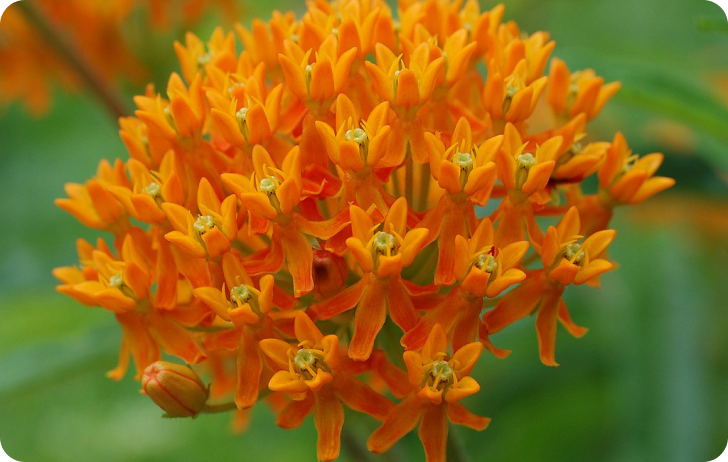
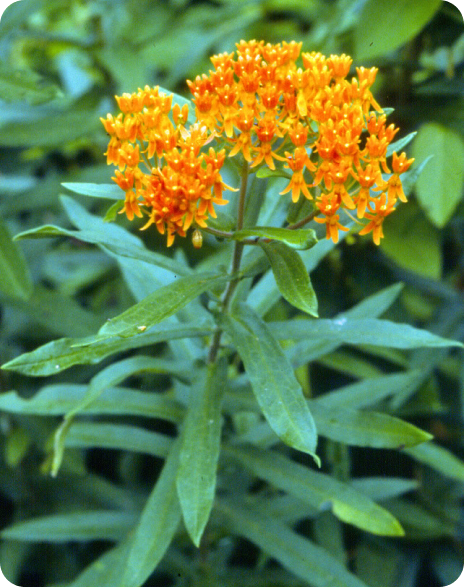
Butterfly Weed is a native North American wildflower with vibrant orange or yellow flowers. The plant has upright, branching stems with narrow, lance-shaped leaves. The flowers form in clusters at the ends of the stems, attracting butterflies and other pollinators.
Table of Contents
- Growing Needs
- Companion Plants
- Pest Management
Family:
Apocynaceae
Size:
1-3 ft tall and 1-2 ft wide
Host to:
Monarch Butterfly
Zones:
USDA Hardiness Zones 4-9
Lifespan:
Perennial
Toxicity:
Contains toxic compounds called cardenolides, which can be harmful if ingested in large quantities. The sap can cause skin and eye irritation.
Growing Needs
Water
Drought-tolerant; prefers well-drained soil and infrequent watering once established
Sun
Full sun
Fertilizer
Butterfly Weed does not require fertilizer. However, you can use a balanced, slow-release fertilizer in spring if you have poor soil.
Soil
Well-drained, sandy or loamy soil with a neutral to slightly acidic pH
Where to Plant Butterfly Weed in Florida
Plant Butterfly Weed in a sunny location with well-draining soil, preferably in a butterfly or pollinator garden. In Florida, consider planting near other native drought-tolerant plants to create a cohesive, low-maintenance garden
Planting and Caring for Butterfly Weed
Butterfly Weed thrives in full sun and well-drained soil. It's an ideal choice for butterfly gardens, pollinator gardens, or as a vibrant addition to any Florida landscape. Its drought tolerance makes it suitable for low-maintenance gardens.
Companion Plants
Blanket Flower (Gaillardia pulchella), Purple Coneflower (Echinacea purpurea), Lantana (Lantana Depressa) Butterfly Weed is crucial for Monarch butterflies and attracts a variety of pollinators. It's known for its striking orange flowers and ability to thrive in various soil conditions.
Potential Challenges
While generally low-maintenance, Butterfly Weed's toxic nature and deep taproot can pose challenges. It's vital to handle the plant carefully and choose a permanent planting spot to avoid difficulties with transplanting.
Pest Management
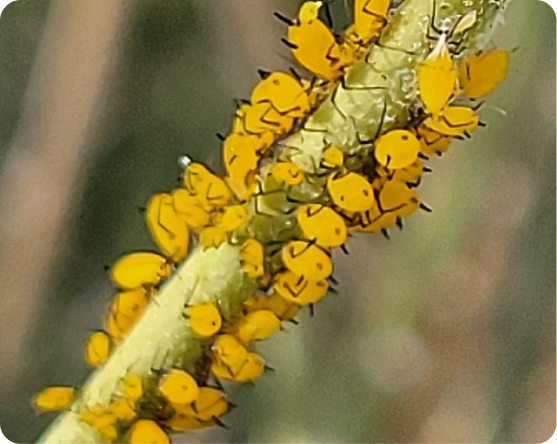
Common pests include aphids and milkweed bugs. Natural pest control methods are typically sufficient for maintaining a healthy plant.
Florida Native Butterfly Plants
The Coffee Taster’s Flavor Wheel, the official resource used by coffee tasters, has been revised for the first time this year.
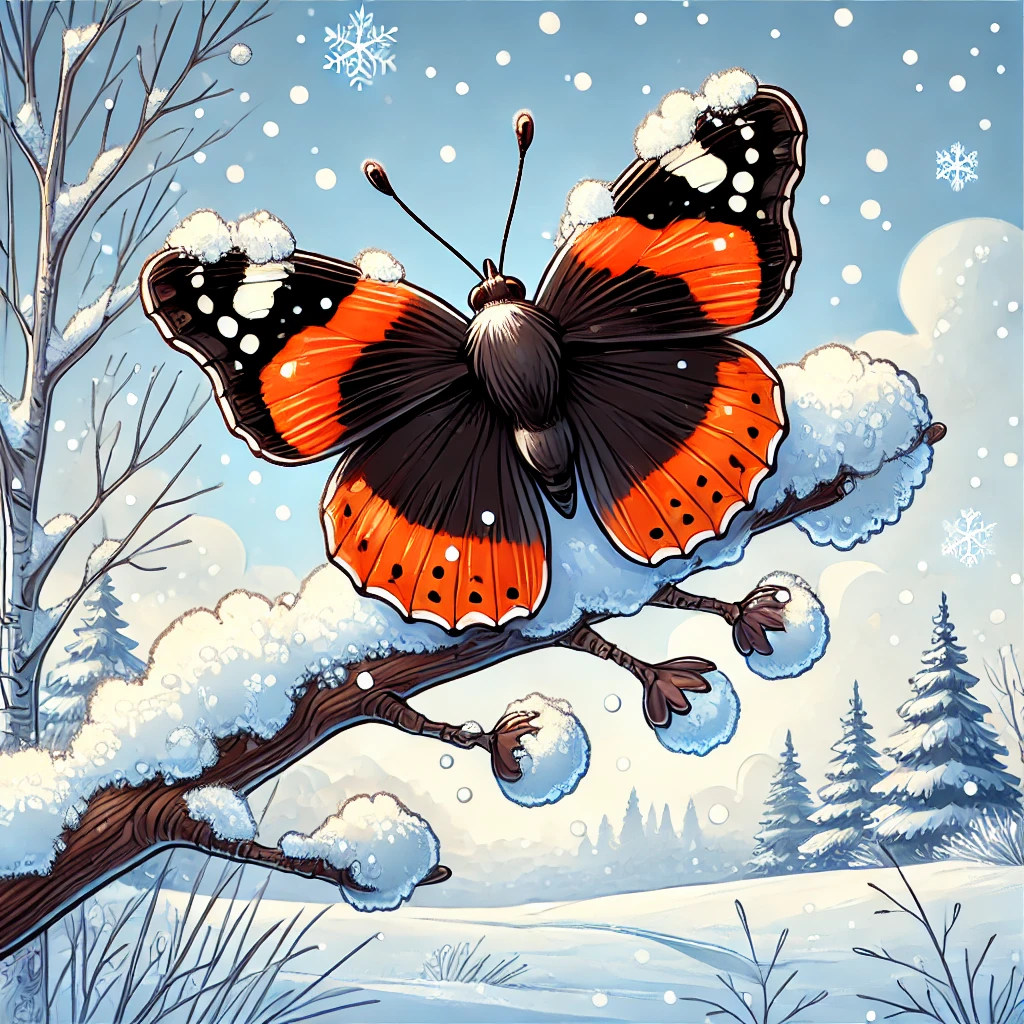
How Butterflies Survive Winter
Learn about butterfly overwintering, including why it happens, how long it lasts, and how different species survive the winter months.

How to Improve Your Side Hustle with a Website
The Coffee Taster’s Flavor Wheel, the official resource used by coffee tasters, has been revised for the first time this year.
Tips to Becoming a Teacher in 2023
This will tell you the number one thing to think about when embarking on a career in education.