Maypop
Passiflora incarnata
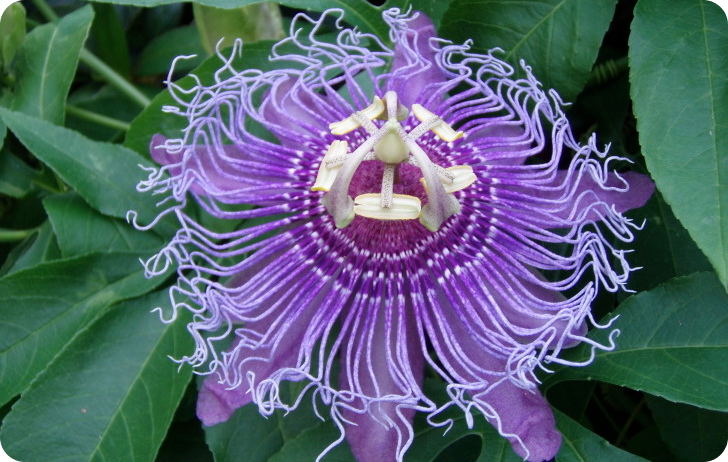
Passiflora incarnata, also known as Maypop Passionflower, is a vigorous, tendril-climbing vine with intricate, purple and white flowers and lobed, dark green leaves.
Table of Contents
- Growing Needs
- Companion Plants
- Pest Management
Family:
Passifloraceae
Size:
Vines can grow up to 15-20 ft long
Host to:
Gulf Fritillary and Zebra Longwing butterflies
Zones:
USDA Hardiness Zones 6-9
Lifespan:
Perennial
Toxicity:
Unripe fruit may cause upset stomach if ingested
Growing Needs
Water
Moderate water requirements; tolerates dry conditions once established but prefers consistently moist soil
Sun
Full sun to part shade
Fertilizer
Use a balanced, slow-release fertilizer in spring and mid-summer
Soil
Well-drained soil, adapts to a variety of soil types from sandy to clay
Where to Plant Maypop in Florida
Plant Maypop in a sunny to partially shaded location with well-draining soil. In Florida, it can be grown on trellises, fences, or arbors or used as a ground cover. It's an excellent addition to butterfly or native plant gardens.
Planting and Caring for Maypop Passionvine Maypop Passionvine is a dynamic and beautiful vine, ideal for trellises, fences, or as ground cover. It thrives in sunny to partially shaded areas and benefits from moderate watering. Its unique purple and white flowers are not only visually stunning but also attract various pollinators, making it a valuable asset to any Florida garden.
Companion Plants
Butterfly Milkweed (Asclepias tuberosa), Blanket Flower (Gaillardia pulchella), Coral Honeysuckle (Lonicera sempervirens) Maypop Passionvine is renowned for its intricate flowers and the support it provides to local butterfly populations, including Gulf Fritillary and Zebra Longwing butterflies.
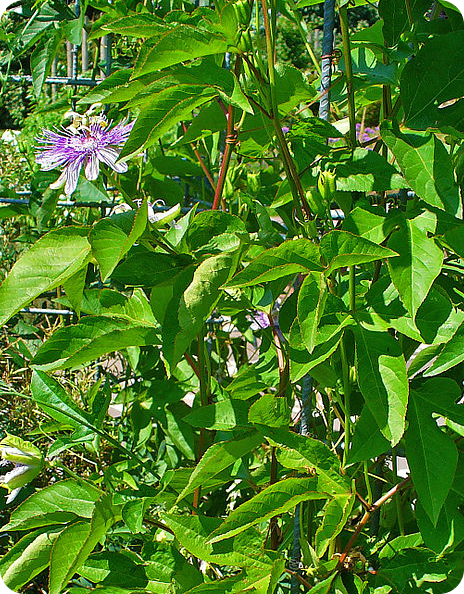
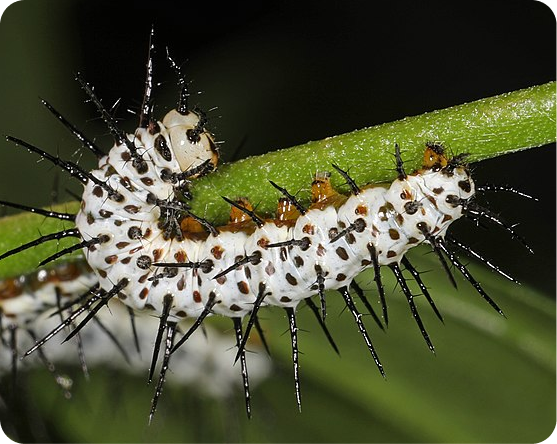
Considerations Before Planting While Maypop Passionvine is an excellent garden addition, it's important to be aware of its vigorous growth and potential for spreading. It may require regular pruning, and its caterpillar host nature can lead to leaf damage, though this supports butterfly populations.
Pest and Disease Management Look out for aphids, scale insects, and mites. Natural pest control methods like insecticidal soap or neem oil can effectively manage these issues.

Florida Native Butterfly Plants
The Coffee Taster’s Flavor Wheel, the official resource used by coffee tasters, has been revised for the first time this year.
How Butterflies Survive Winter
Learn about butterfly overwintering, including why it happens, how long it lasts, and how different species survive the winter months.

How to Improve Your Side Hustle with a Website
The Coffee Taster’s Flavor Wheel, the official resource used by coffee tasters, has been revised for the first time this year.
Tips to Becoming a Teacher in 2023
This will tell you the number one thing to think about when embarking on a career in education.