Scarlet Rosemallow
Hibiscus coccineus
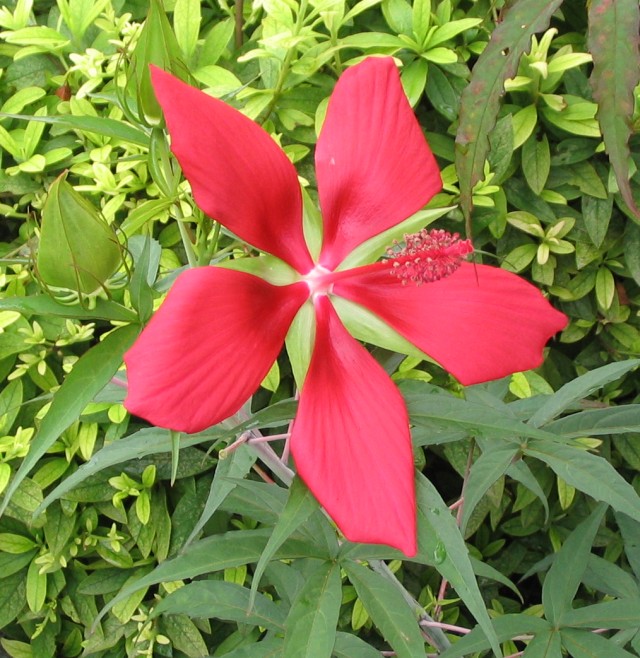
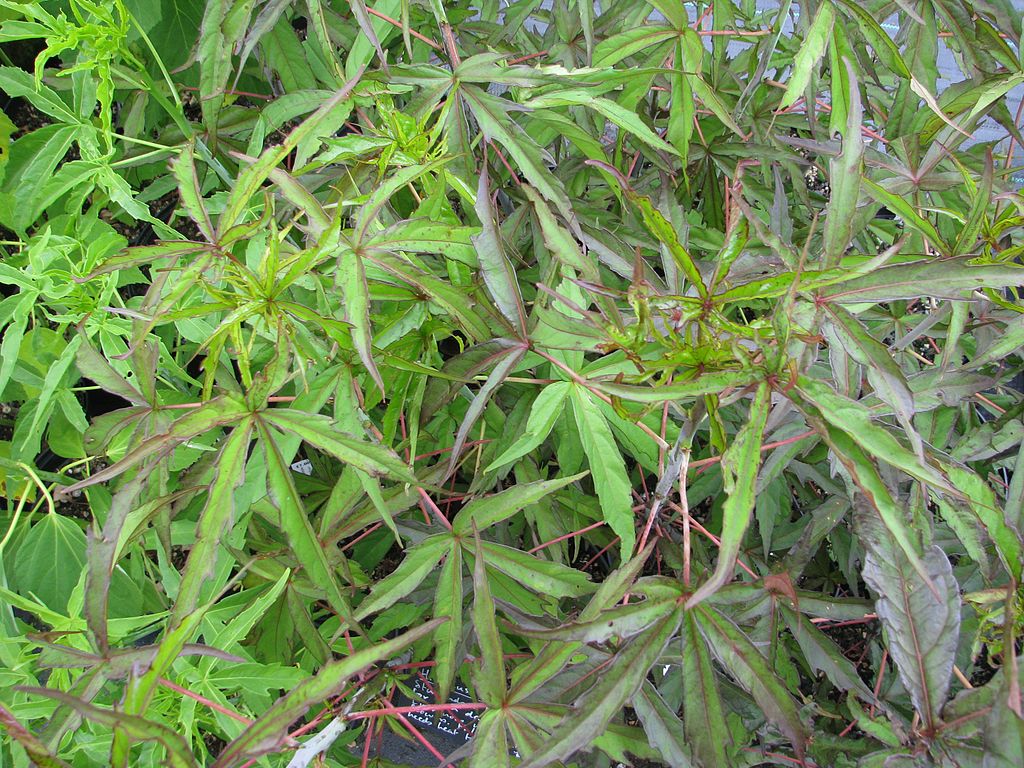
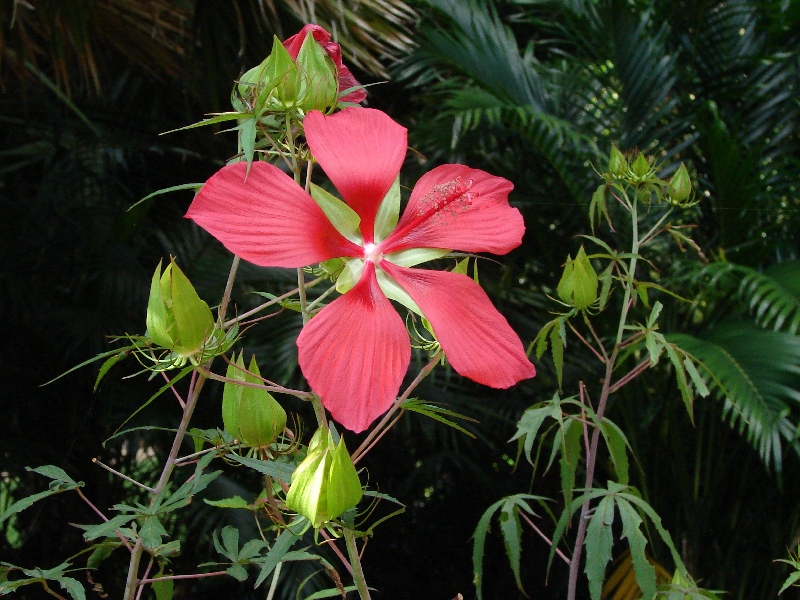
Hibiscus coccineus, commonly known as the Scarlet Rosemallow or Texas Star, is a striking plant characterized by its large, bright red, star-shaped flowers and distinct, palmate leaves. It is native to swampy areas in the southeastern United States, making it well-suited for wet soil conditions.
Table of Contents
- Growing Needs
- Companion Plants
- Pest Management
Family:
Malvaceae
Size:
Can grow up to 3-6 ft tall
Host to:
N/A
Zones:
USDA Hardiness Zones 6-9
Lifespan:
Perennial
Non-Toxic
Growing Needs
Water
High; prefers consistently wet soil
Sun
Full sun to partial shade
Fertilizer
Feed with a high-potassium fertilizer during the growing season to encourage blooming
Soil
Prefers moist, well-drained soil, can tolerate temporary flooding
Where to Plant Scarlet Rosemallow in Florida
Ideal for wet garden spots, rain gardens, or along pond edges where it can receive ample water. Also makes a dramatic statement in large flower beds or as a background plant.
Planting and Caring for Scarlet Rosemallow
The Scarlet Rosemallow is a vibrant and eye-catching plant ideal for adding color and height to wet areas of the garden. It thrives in full sun to partial shade and requires regular watering to maintain its lush appearance.
Companion Plants
Pickerelweed (Pontederia cordata), Iris (Iris spp.), Cardinal Flower (Lobelia cardinalis) These plants complement the moist soil needs and visual impact of the Scarlet Rosemallow, creating a harmonious wetland garden setting.
Considerations Before Planting
Consider the Scarlet Rosemallow’s need for space and consistent moisture when planning your garden. Its height can also influence garden design, potentially overshadowing smaller plants.
Pest and Disease Management
This plant is largely resistant to pests, though it can be targeted by Japanese beetles. Employ organic pest control methods such as insecticidal soap or neem oil to protect its health.

Florida Native Butterfly Plants
The Coffee Taster’s Flavor Wheel, the official resource used by coffee tasters, has been revised for the first time this year.
How Butterflies Survive Winter
Learn about butterfly overwintering, including why it happens, how long it lasts, and how different species survive the winter months.

How to Improve Your Side Hustle with a Website
The Coffee Taster’s Flavor Wheel, the official resource used by coffee tasters, has been revised for the first time this year.
Tips to Becoming a Teacher in 2023
This will tell you the number one thing to think about when embarking on a career in education.