Sunshine Mimosa
Mimosa strigillosa
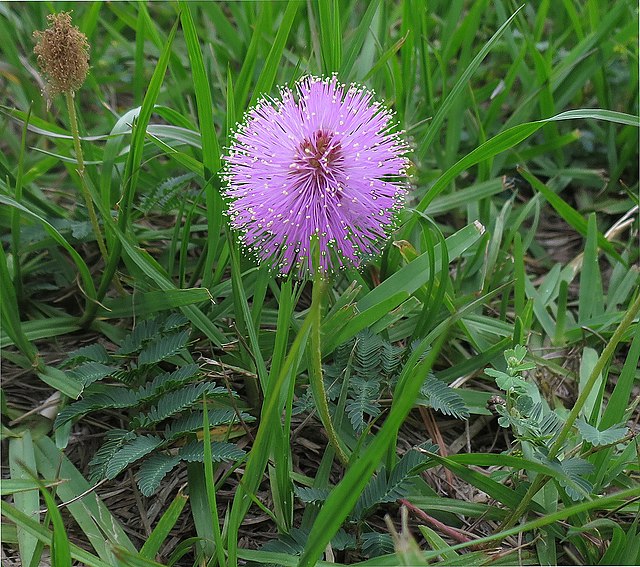
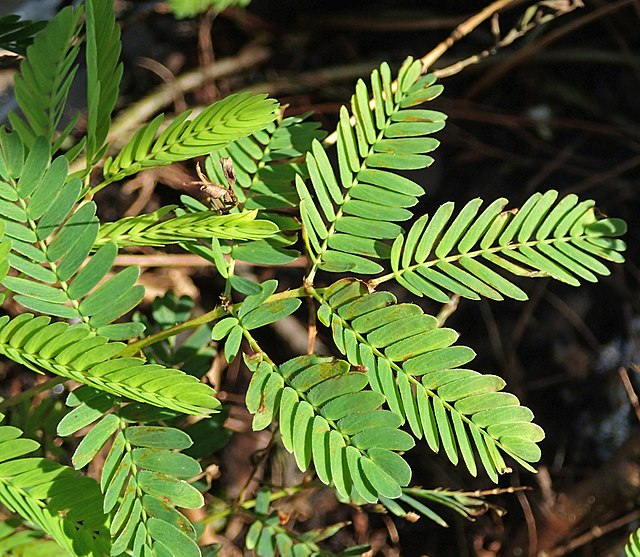
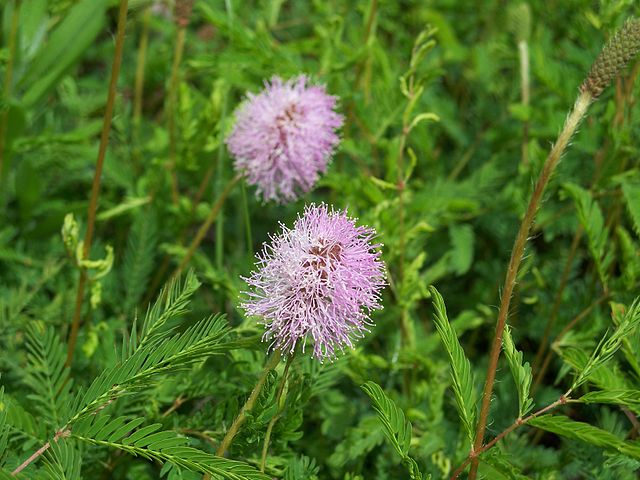
Mimosa strigillosa, known as Sunshine Mimosa, is a groundcover plant with fern-like foliage and fluffy, pink, ball-shaped flowers. It is known for its touch-sensitive leaves that fold up when disturbed.
Table of Contents
- Growing Needs
- Companion Plants
- Pest Management
Family:
Fabaceae
Size:
Typically grows 4-6 inches tall
Host to:
N/A
Zones:
USDA Hardiness Zones 8-11
Lifespan:
Perennial
Non-Toxic
Growing Needs
Water
Low; drought-tolerant once established
Sun
Full sun to partial shade
Fertilizer
Low; may benefit from a light application of a balanced fertilizer in spring
Soil
Prefers well-drained, sandy soil but is adaptable to various soil types
Where to Plant Sunshine Mimosa in Florida
Ideal for xeriscapes, as a lawn alternative, or in rock gardens. It thrives in sunny locations with well-draining soil and is excellent for erosion control.
Planting and Caring for Sunshine Mimosa
Sunshine Mimosa is an excellent groundcover that adds a lush, green look with pops of pink from its flowers. It is ideal for areas that require low maintenance and can tolerate drought, making it perfect for Florida-friendly landscapes.
Companion Plants
Florida Friendly Grasses, Gaillardia, Coreopsis These plants complement the environmental benefits of Sunshine Mimosa, creating a diverse and sustainable garden.
Considerations Before Planting
While generally low-maintenance, Sunshine Mimosa may spread quickly, which requires monitoring in small spaces. It's also not suited for very wet or clay-heavy soils.
Pest and Disease Management
Monitor for aphids and treat with organic methods if they appear. Overall, Sunshine Mimosa is a robust and pest-resistant plant.
How to Propagate Sunshine Mimosa (Mimosa strigillosa)
Sunshine Mimosa, also known as Powderpuff Mimosa, can be propagated using several different methods, making it a versatile choice for gardeners. Below are the methods for seed propagation, stem cuttings, and division.
Seed Propagation
Seeds typically germinate within 7 to 30 days under optimal conditions:
- Collect seeds: Gather seeds from mature seed pods.
- Sowing: Plant seeds in well-drained, sandy soil during spring.
- Care: Keep the soil lightly covered and consistently moist until germination occurs.
Stem Cuttings
Propagating by stem cuttings is effective, especially for establishing cover quickly:
- Timing: Cuttings are best taken in late winter or early spring.
- Preparation: Select healthy stems, cut them, and dip the ends in rooting hormone.
- Planting: Place the cuttings in a moist, well-draining medium and keep them warm until roots develop. (2-3 weeks
Division
Division is an excellent way to propagate Sunshine Mimosa and manage its spread in the garden:
- Best Time: Divide in early spring or fall when the plant is not actively blooming.
- Digging: Carefully dig around the plant and lift it out of the ground with a portion of the root system intact.
- Separating: Use a sharp knife or spade to divide the root ball into sections, each with several shoots and roots.
- Replanting: Replant the sections immediately in prepared soil and water well.
Each of these methods has its advantages, depending on your gardening goals and the resources available. Seed propagation is straightforward but takes longer, while stem cuttings and division offer quicker results and more control over the plant's growth.

Florida Native Butterfly Plants
The Coffee Taster’s Flavor Wheel, the official resource used by coffee tasters, has been revised for the first time this year.
How Butterflies Survive Winter
Learn about butterfly overwintering, including why it happens, how long it lasts, and how different species survive the winter months.

How to Improve Your Side Hustle with a Website
The Coffee Taster’s Flavor Wheel, the official resource used by coffee tasters, has been revised for the first time this year.
Tips to Becoming a Teacher in 2023
This will tell you the number one thing to think about when embarking on a career in education.