Wild Lime
Zanthoxylum fagara
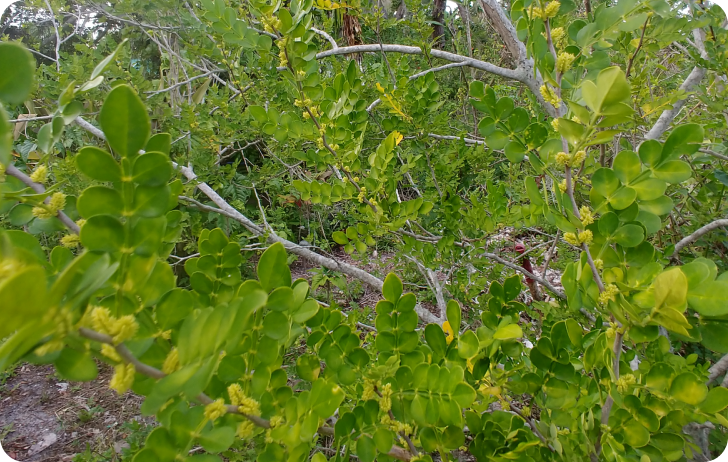
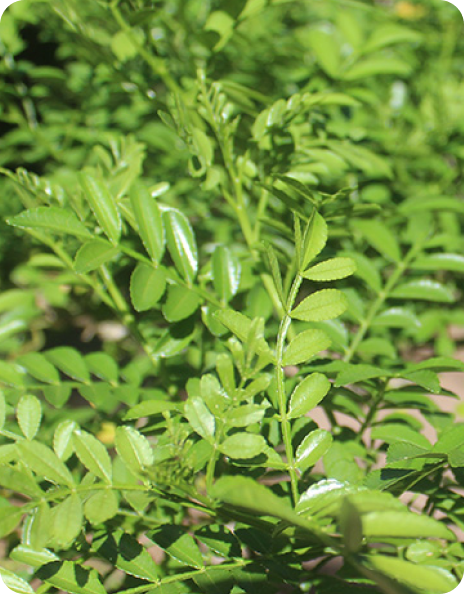
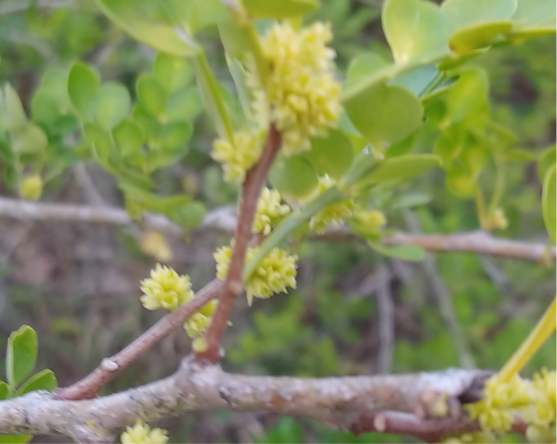
Zanthoxylum fagara, also known as Wild Lime, is a small, thorny, multi-stemmed tree or large shrub with aromatic, compound leaves. The plant produces tiny, inconspicuous flowers, followed by small, red, berry-like fruits.
Table of Contents
- Growing Needs
- Companion Plants
- Pest Management
Family:
Rutaceae
Size:
6-16 ft tall, 6-10 ft wide
Host to:
Giant Swallowtail butterfly
Zones:
9-11
Lifespan:
Perennial
Non-Toxic
Growing Needs
Water
Moderate water requirements; drought-tolerant once established
Sun
Full sun to light shade
Fertilizer
Generally not required, but if soil is poor, use a balanced, slow-release fertilizer in spring
Soil
Well-drained, sandy or loamy soil with a slightly acidic to slightly alkaline pH
Where to Plant Wild Lime in Florida
Plant in a sunny or lightly shaded location with well-draining soil in wildlife or native plant gardens, as a hedge, or as a specimen plant. Pair with other native, drought-tolerant plants for a low-maintenance garden in Florida.
Planting and Caring for Wild Lime
Wild Lime is a small, thorny tree or large shrub, perfect for wildlife or native plant gardens, as a hedge, or as a specimen plant. It thrives in sunny to lightly shaded areas and is drought-tolerant once established. Its aromatic leaves provide a sensory element to your landscape, and it serves as a crucial habitat for the Giant Swallowtail butterfly.
Companion Plants
Coontie (Zamia pumila), Saw Palmetto (Serenoa repens), Sand Cordgrass (Spartina bakeri)
Wild Lime is not only valuable for its role in supporting local ecosystems but also adds a unique, aromatic dimension to any garden.
Considerations Before Planting
Although Wild Lime is an excellent addition to many gardens, its sharp thorns can be a concern, particularly in households with children or pets. It also grows quite large, which may not suit smaller gardens.
Pest and Disease Management
Wild Lime has few pest or disease issues. However, monitor for scale insects or spider mites, and treat with insecticidal soap or neem oil if necessary.

Florida Native Butterfly Plants
The Coffee Taster’s Flavor Wheel, the official resource used by coffee tasters, has been revised for the first time this year.
How Butterflies Survive Winter
Learn about butterfly overwintering, including why it happens, how long it lasts, and how different species survive the winter months.

How to Improve Your Side Hustle with a Website
The Coffee Taster’s Flavor Wheel, the official resource used by coffee tasters, has been revised for the first time this year.
Tips to Becoming a Teacher in 2023
This will tell you the number one thing to think about when embarking on a career in education.